
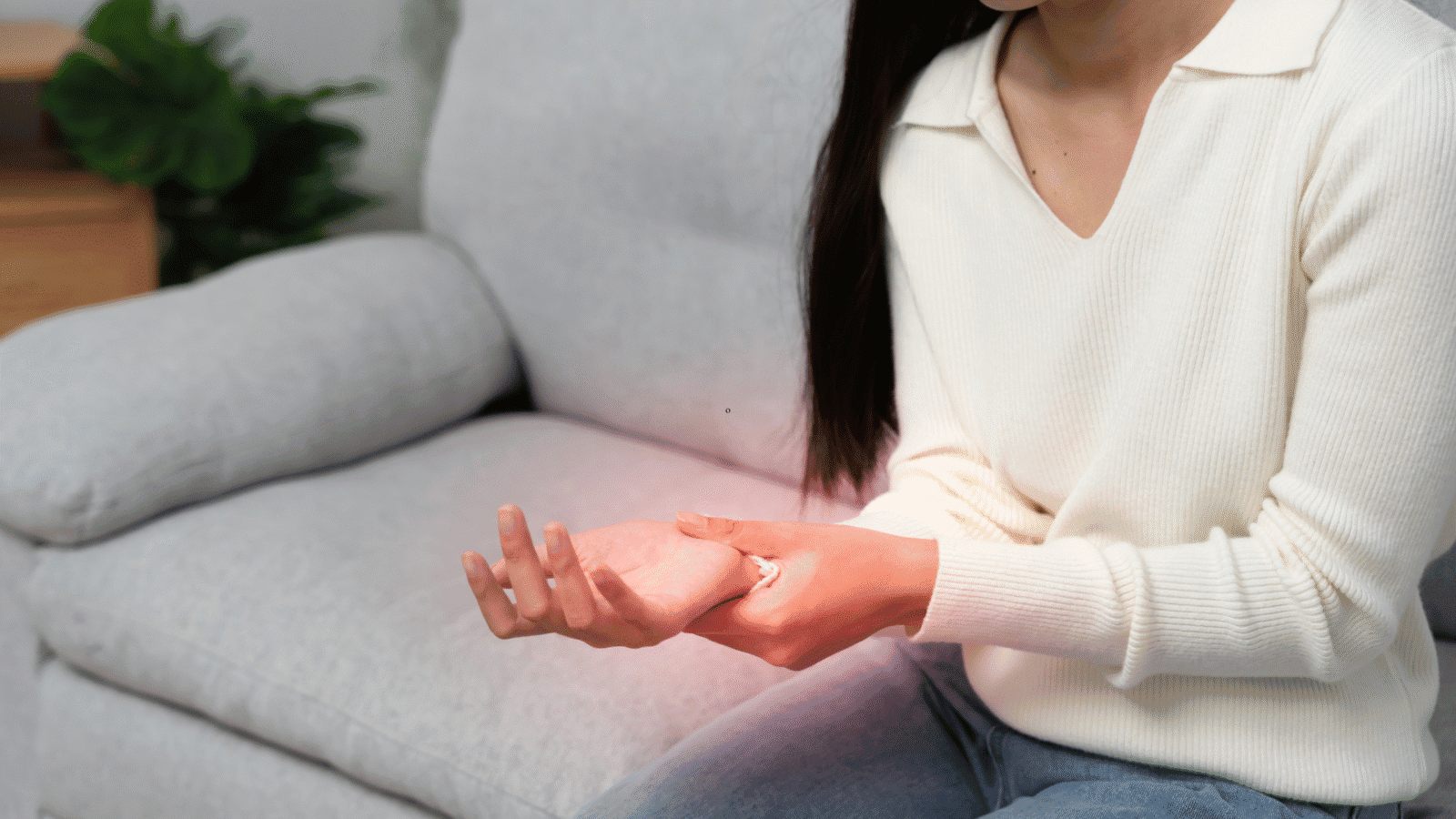
Understanding CRPS (Complex Regional Pain Syndrome): Signs, Early Intervention & What to Do
Complex Regional Pain Syndrome (CRPS) is a chronic pain condition that typically affects one limb—often after an injury, surgery, or stroke. While relatively uncommon, CRPS can cause severe and prolonged pain that feels disproportionate to the original injury. Recognizing the signs early and seeking prompt medical care can make a significant difference in recovery and long-term comfort.
What Is CRPS?
CRPS occurs when the nervous system overreacts to an injury, leading to ongoing pain, inflammation, and sensitivity in the affected area. It’s divided into two types:
- Type I (Reflex Sympathetic Dystrophy): Occurs without direct nerve injury.
- Type II (Causalgia): Develops after a known nerve injury.
Both types share similar symptoms and require early evaluation to prevent progression.
Common Signs and Symptoms
- Intense, burning, or throbbing pain in a limb
- Extreme sensitivity to touch or cold
- Swelling, stiffness, or changes in skin color and temperature
- Abnormal nail or hair growth
- Limited mobility or muscle weakness
Symptoms may fluctuate or spread, but early recognition can help prevent long-term complications.
Why Early Intervention Matters
CRPS can become more difficult to manage if left untreated. The earlier treatment begins, the better the outcomes. Early intervention helps:
- Reduce inflammation and nerve hypersensitivity
- Preserve mobility and function
- Prevent muscle atrophy and joint stiffness
- Improve quality of life
If you experience persistent pain or unusual symptoms following an injury or surgery, it’s important to seek medical evaluation promptly.
What You Can Do
1. Seek Medical Attention Early:
Pain specialists can diagnose CRPS using a combination of medical history, examination, and diagnostic tests. Early treatment may include medications, physical therapy, or nerve blocks.
2. Stay Active Within Comfort Limits:
Gentle movement and physical therapy can help maintain range of motion and circulation, reducing stiffness and promoting healing.
3. Manage Stress:
Chronic pain can worsen with emotional stress. Techniques like mindfulness, deep breathing, or counseling can support overall pain management.
4. Follow a Personalized Pain Management Plan:
Your treatment may involve a combination of therapies, such as:
- Medications to reduce nerve pain
- Physical and occupational therapy
- Sympathetic nerve blocks
- Spinal cord stimulation or other advanced interventions
Each plan should be tailored to your specific symptoms and goals.
Living With CRPS
While CRPS can be challenging, many patients find meaningful improvement with early and comprehensive treatment. Education, support, and active participation in your care can help restore function and enhance daily life.
If you or someone you know may be experiencing signs of CRPS, don’t wait—reach out to a pain specialist. Early intervention is key to better outcomes and lasting relief.