
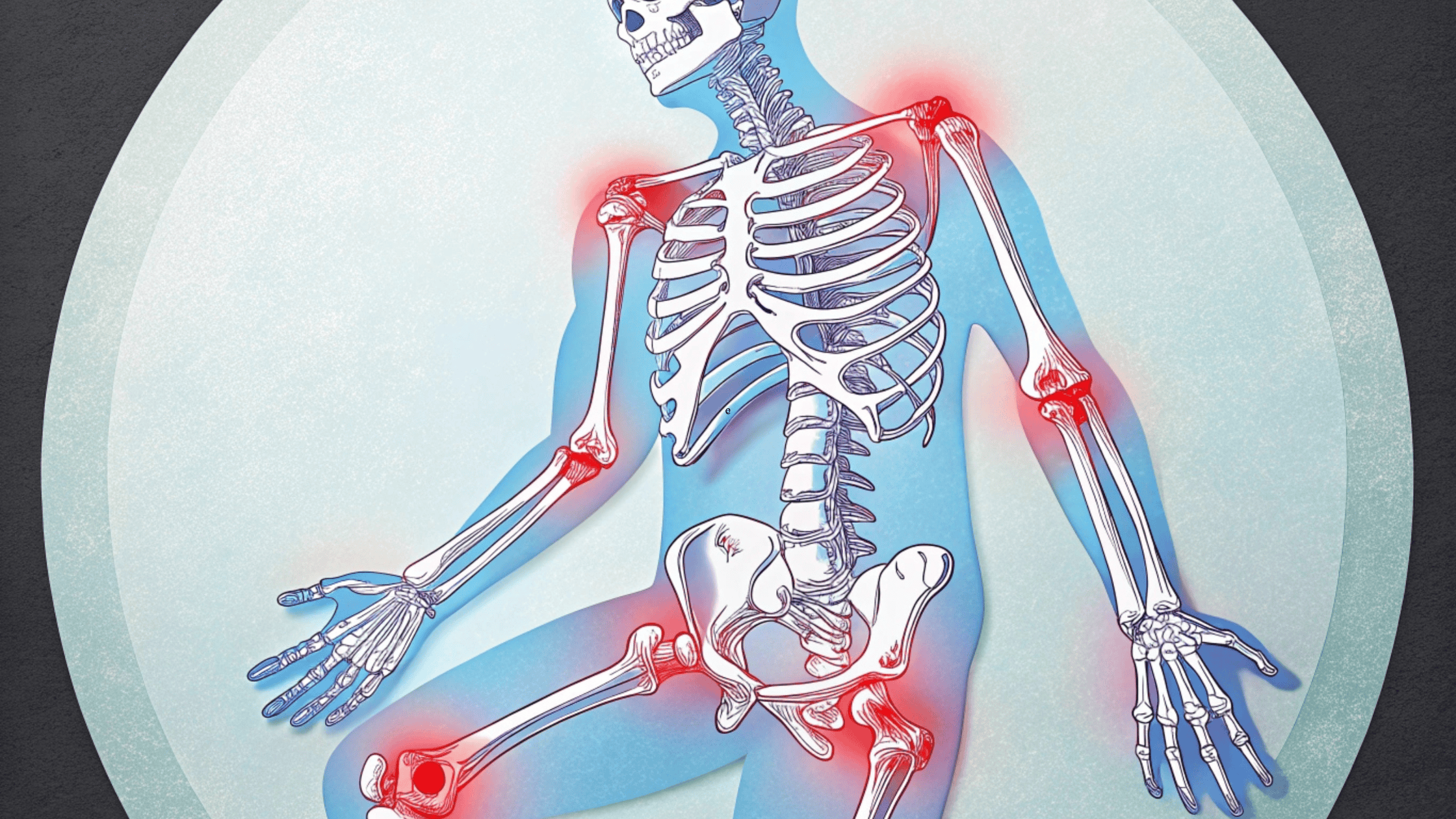
Shoulder and Hip Joint Pain: Why Conservative Pain Management Should Be an Early Consideration
Shoulder and hip joint pain are among the most common musculoskeletal complaints affecting adults of all ages. These joints play a critical role in nearly every movement we make—walking, lifting, reaching, and even sleeping comfortably. When pain develops, many patients worry that surgery may be inevitable. However, conservative pain management should often be considered early, as it can effectively relieve symptoms, improve function, and slow progression without the risks associated with invasive procedures.
Understanding why shoulder and hip pain occur—and how non-surgical treatments can help—empowers patients to make informed decisions about their care.
Common Causes of Shoulder & Hip Joint Pain
Pain in the shoulder or hip can develop for many reasons, including:
- Osteoarthritis and joint degeneration
- Tendon and ligament overuse or injury
- Bursitis and inflammation
- Labral tears
- Muscle imbalances or weakness
- Postural and movement dysfunction
Early symptoms may include stiffness, aching pain, limited range of motion, clicking sensations, or discomfort during activity or rest. Addressing these issues early can prevent worsening damage and prolonged pain.
Why Early Conservative Pain Management Matters
Conservative pain management focuses on treating pain while supporting the body’s natural healing processes. When implemented early, it offers several advantages:
- Reduces inflammation and pain
- Improves joint mobility and stability
- Preserves joint structure
- Delays or avoids surgery
- Minimizes reliance on long-term medications
Rather than masking symptoms, conservative care targets the underlying contributors to joint pain, helping patients maintain function and quality of life.
Conservative Treatment Options for Shoulder & Hip Pain
A personalized, non-surgical approach may include:
Physical Therapy
Targeted exercises improve strength, flexibility, and joint mechanics, reducing strain on the shoulder or hip.
Image-Guided Injections
Corticosteroid or regenerative injections can decrease inflammation, relieve pain, and support tissue healing when appropriate.
Activity Modification
Adjusting movements, posture, or workload helps reduce joint stress while allowing healing.
Anti-Inflammatory Strategies
Lifestyle changes, guided exercise, and short-term medications may help control flare-ups without long-term dependency.
Regenerative Medicine Techniques
In select cases, regenerative therapies may promote healing of damaged tissues and reduce chronic pain.
When Surgery May Be Necessary
Surgery may be appropriate when conservative treatments fail or when significant structural damage is present. However, many patients can delay—or completely avoid—surgery through early intervention and comprehensive pain management.
The Importance of Early Evaluation
Ignoring shoulder or hip pain can lead to worsening degeneration and longer recovery times. Early evaluation allows providers to identify the source of pain and tailor treatment plans that emphasize conservative care whenever possible.
Conclusion
Shoulder and hip joint pain do not automatically mean surgery is the only solution. Conservative pain management offers effective, evidence-based options that address pain, restore function, and protect joint health. Seeking care early can make a meaningful difference in outcomes and long-term mobility.
If joint pain is interfering with your daily life, exploring conservative treatment options may be the first—and most important—step toward lasting relief.