
Non-Exercise Ways to Stay Active When Pain Limits Movement
Living with chronic pain can make traditional exercise feel overwhelming—or even impossible on some days. But staying active doesn’t always mean hitting the gym or following a structured workout routine. In fact, small, consistent movements and daily activities can play a powerful role in maintaining mobility, reducing stiffness, and improving overall well-being.
If pain is limiting your ability to exercise, here are practical, non-exercise ways to stay active and support your body without overexertion.
Why Staying Active Matters—Even Without Exercise
When pain leads to inactivity, the body can become weaker and stiffer over time. This often creates a cycle where less movement leads to more discomfort. Gentle, regular activity helps:
- Improve circulation
- Maintain joint flexibility
- Reduce muscle tension
- Support mental health
- Prevent deconditioning
The key is to focus on movement, not intensity.
Incorporate Movement Into Daily Tasks
Everyday activities can double as gentle movement opportunities. Instead of viewing them as chores, think of them as ways to keep your body engaged.
Simple Examples:
- Light housekeeping like folding laundry or wiping surfaces
- Cooking or meal prep while standing and shifting positions
- Watering plants or gardening at a comfortable pace
- Walking short distances around your home
Break tasks into smaller steps and take breaks as needed. Even a few minutes of movement at a time can add up throughout the day.
Practice “Movement Snacks”
“Movement snacks” are short bursts of gentle activity spread throughout the day. These are especially helpful if long periods of activity increase your pain.
- Standing up and sitting down a few times
- Gentle stretching while seated
- Rolling your shoulders or turning your neck slowly
- Walking to another room every 30–60 minutes
Change Positions Frequently
Staying in one position—whether sitting or standing—can worsen pain. Make it a goal to change positions regularly.
- Alternate between sitting and standing
- Use supportive cushions or ergonomic chairs
- Shift your posture every 20–30 minutes
- Elevate your legs occasionally if comfortable
Engage in Low-Impact Hobbies
Many hobbies encourage gentle movement without feeling like exercise. Choose activities that are enjoyable and adaptable to your comfort level.
- Light gardening
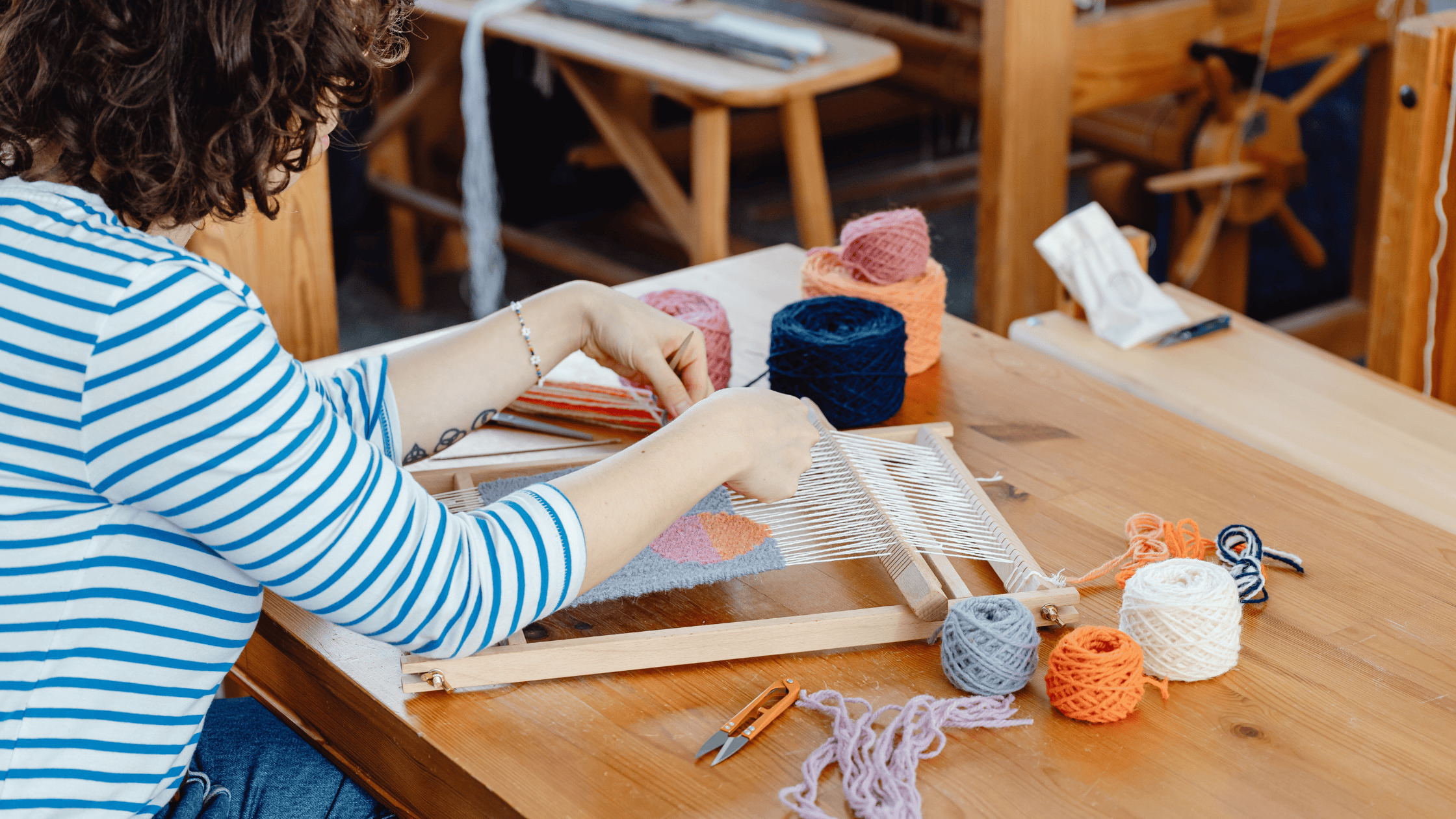
- Arts and crafts
- Playing with pets
- Leisurely walking in short intervals
- Gentle yoga or stretching routines
Use Assistive Tools When Needed
Using supportive devices doesn’t mean giving up independence—it helps you stay active safely.
- Grabbers or reach tools to avoid bending
- Supportive braces for joints
- Mobility aids for stability
- Ergonomic tools for household tasks
Listen to Your Body and Pace Yourself
One of the most important strategies is pacing. Doing too much on a “good day” can lead to flare-ups later.
Pacing Tips:
- Alternate activity with rest
- Stop before pain significantly increases
- Set realistic daily goals
- Keep a consistent routine
Stay Socially and Mentally Active
Activity isn’t just physical—mental and social engagement also play a role in overall health.
- Talk with friends or family
- Participate in hobbies you enjoy
- Engage in light community activities
- Practice relaxation or mindfulness techniques
When to Seek Additional Support
If pain continues to limit your ability to stay active, it may be time to explore additional treatment options. Interventional pain management, physical therapy, or regenerative treatments can help improve function and reduce discomfort, making daily movement easier.
Final Thoughts
Staying active with chronic pain doesn’t require intense exercise. By incorporating small, manageable movements into your daily routine, you can support your body, reduce stiffness, and improve your quality of life.
Remember, progress is not about doing more—it’s about doing what you can, consistently and safely.