
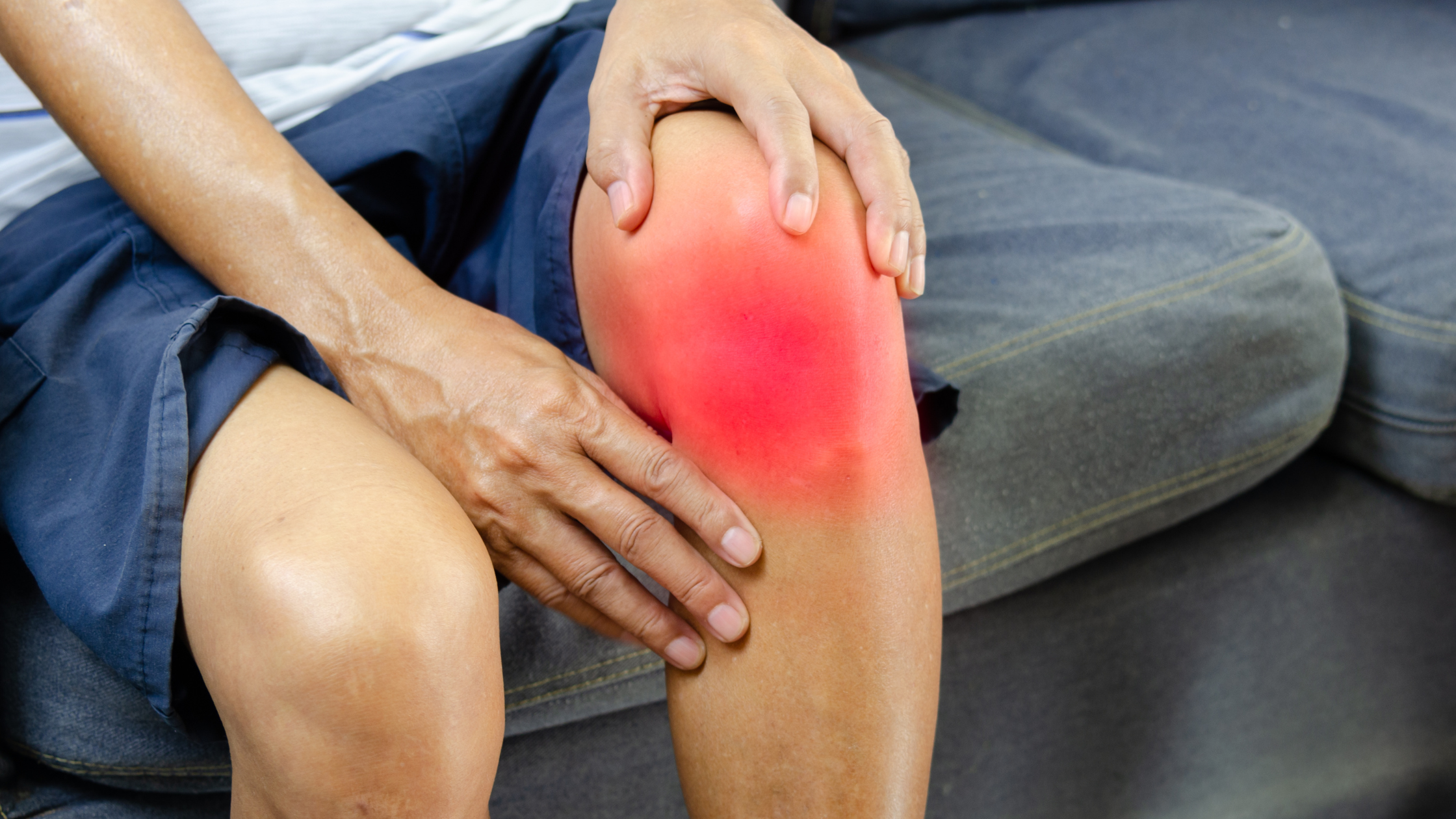
Managing Pain After Surgery: Options Beyond Medication
Recovering from surgery often involves some level of discomfort. While prescription and over-the-counter medications can play an important role in post-operative pain management, many patients are looking for additional ways to reduce pain, improve mobility, and support healing. Today, healthcare providers increasingly recommend a comprehensive approach that combines medication with non-drug therapies to help patients recover more comfortably and safely.
Understanding the options available beyond medication can help patients take an active role in their recovery and potentially reduce their reliance on pain medications.
What Causes Pain After Surgery?
Pain after surgery occurs because tissues, muscles, nerves, and blood vessels are affected during the procedure. The body’s natural inflammatory response helps initiate healing, but it can also contribute to swelling, stiffness, and discomfort.
Pain levels vary depending on the type of surgery, the patient’s overall health, and how quickly healing occurs. While some discomfort is expected, effective pain management remains important because uncontrolled pain can interfere with movement, sleep, rehabilitation, and overall recovery.
Why Consider Pain Management Options Beyond Medication?
Considering pain management options beyond medication can help patients address multiple aspects of recovery while minimizing potential side effects associated with certain pain medications.
- Reduce muscle tension
- Improve circulation
- Decrease inflammation
- Enhance mobility
- Support better sleep
- Promote faster rehabilitation
- Reduce dependence on opioid medications
A multimodal approach often provides more complete pain relief than relying on medication alone.
How Can Physical Therapy Help Reduce Post-Surgical Pain?
Physical therapy can help reduce post-surgical pain by improving strength, flexibility, and movement patterns during recovery.
After surgery, patients often become less active due to discomfort. Unfortunately, prolonged inactivity can contribute to stiffness, muscle weakness, and additional pain. A physical therapist can design a personalized rehabilitation program that safely restores mobility while protecting healing tissues.
Physical therapy may include:
- Gentle stretching
- Strengthening exercises
- Range-of-motion activities
- Balance training
- Walking programs
- Functional movement retraining
Can Ice and Heat Therapy Help After Surgery?
Ice and heat therapy can help after surgery when used appropriately and according to a healthcare provider’s recommendations.
Cold therapy is often most beneficial during the first several days following surgery. Ice can help reduce swelling, inflammation, and pain by constricting blood vessels around the surgical area.
Heat therapy is typically introduced later in the recovery process. Heat helps improve blood flow, relax muscles, and decrease stiffness that may develop during healing.
Does Movement Actually Improve Pain During Recovery?
Movement can improve pain during recovery by preventing stiffness and promoting healthy circulation.
Although rest is important immediately after surgery, prolonged inactivity may slow recovery and contribute to worsening discomfort. Walking and gentle movement encourage blood flow, reduce swelling, and help maintain joint flexibility.
Many surgeons encourage patients to begin carefully supervised movement as soon as medically appropriate. Even short walks throughout the day can provide significant benefits for pain management and overall recovery.
Can Mind-Body Techniques Help Control Pain?
Mind-body techniques can help control pain by reducing stress and changing how the brain processes pain signals.
Pain is not solely a physical experience. Anxiety, fear, and stress can increase pain sensitivity and make recovery more challenging. Relaxation techniques can help calm the nervous system and improve pain tolerance.
Helpful techniques may include:
- Deep breathing exercises
- Guided imagery
- Meditation
- Progressive muscle relaxation
- Mindfulness practices
What Role Does Sleep Play in Pain Recovery?
Sleep plays a critical role in pain recovery because the body performs much of its healing during periods of rest.
Poor sleep can increase inflammation, heighten pain sensitivity, and delay tissue repair. Unfortunately, post-surgical discomfort often disrupts sleep, creating a cycle that can make recovery more difficult.
Can Nutrition Influence Post-Surgical Pain?
Nutrition can influence post-surgical pain by supporting the body’s natural healing processes.
A balanced diet provides the nutrients needed for tissue repair, immune function, and inflammation control. Adequate protein intake is particularly important because protein helps rebuild damaged tissues.
- Lean proteins
- Fruits and vegetables
- Whole grains
- Healthy fats
- Proper hydration
Are Alternative Therapies Effective for Surgical Pain?
Alternative therapies may be effective for certain patients when used as part of a comprehensive recovery plan.
Depending on the procedure and individual circumstances, healthcare providers may recommend therapies such as massage therapy, acupuncture, therapeutic stretching, laser therapy, or electrical stimulation therapies.
Patients should always consult their surgeon or healthcare provider before beginning any alternative treatment following surgery.
When Should Patients Seek Additional Medical Help?
Patients should seek additional medical help if pain becomes severe, suddenly worsens, or is accompanied by concerning symptoms.
- Increasing redness around the surgical site
- Fever
- Excessive swelling
- Drainage from the incision
- New numbness or weakness
- Difficulty breathing
- Pain that does not improve as expected
What Is the Best Approach to Managing Pain After Surgery?
The best approach to managing pain after surgery is often a personalized combination of medication and non-medication strategies.
Physical therapy, movement, sleep optimization, nutrition, ice and heat therapy, and mind-body techniques can all contribute to improved comfort and recovery. By addressing pain from multiple angles, patients may experience better outcomes while reducing their reliance on medication alone.
Every recovery journey is unique, and patients should work closely with their healthcare team to develop a post-surgical pain management plan that supports healing, mobility, and long-term wellness.
Disclaimer: This article is intended for educational purposes only and should not be considered medical advice. Patients should follow their surgeon’s instructions and consult their healthcare provider regarding post-operative pain management and recovery.