
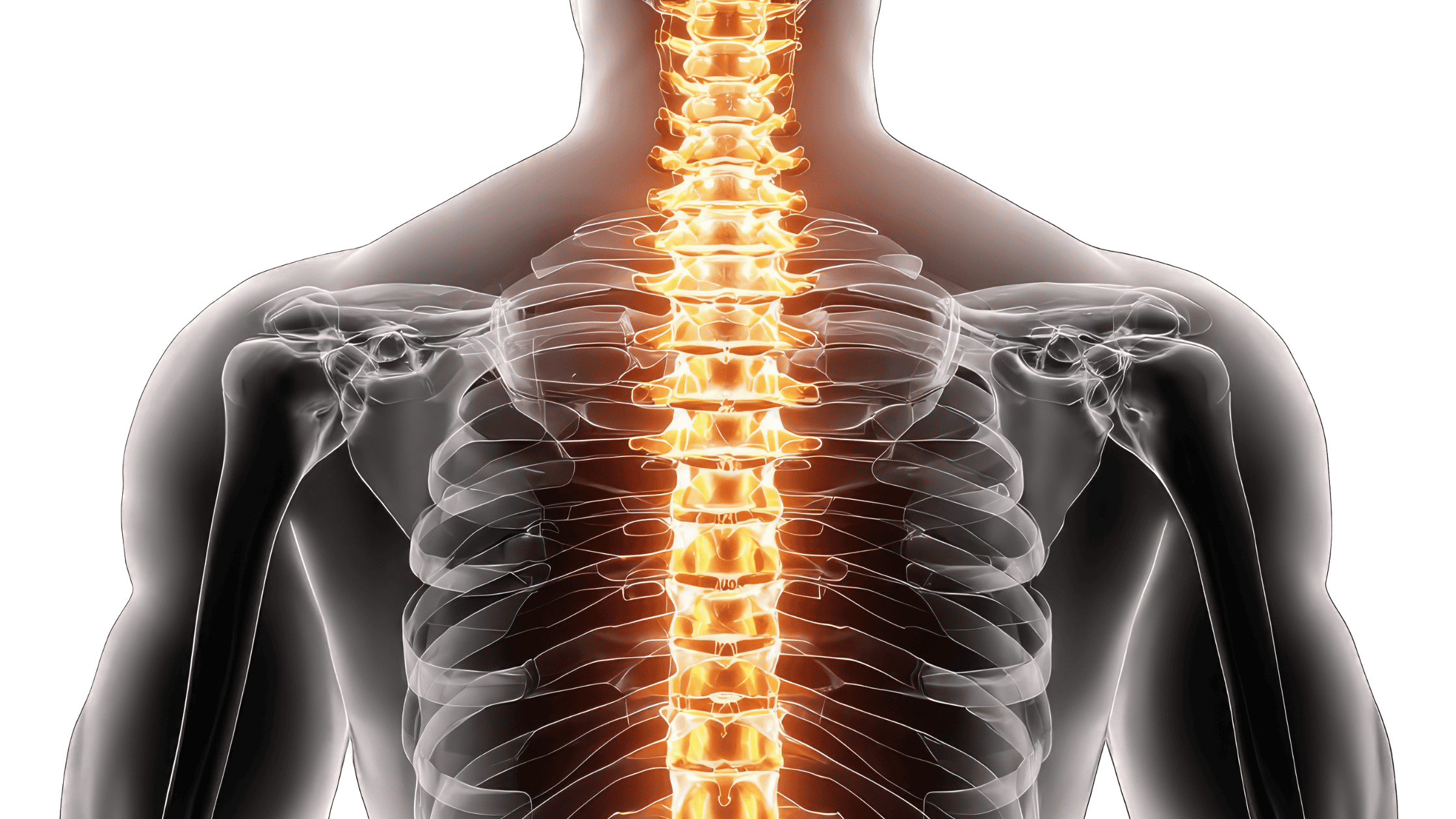
Spinal Cord Stimulation: A Treatment Option for Long-Term Pain Relief
Chronic pain can take a serious toll on your quality of life, making even simple daily activities feel overwhelming. For individuals who have tried medications, physical therapy, or injections without lasting relief, spinal cord stimulation (SCS) may offer a promising alternative. This advanced, minimally invasive treatment is designed to help manage long-term pain and restore function—without the need for major surgery.
In this article, we’ll explore how spinal cord stimulation works, what conditions it treats, and whether it might be the right option for you.
What Is Spinal Cord Stimulation?
Spinal cord stimulation is a therapy that uses a small implanted device to deliver mild electrical signals to the spinal cord. These signals modify how pain messages are transmitted to the brain, helping to reduce or even eliminate the sensation of pain.
The system includes:
- A small pulse generator (similar to a pacemaker)
- Thin wires (leads) placed near the spinal cord
- A handheld remote that allows you to adjust the stimulation
Instead of masking pain with medication, spinal cord stimulation works by changing how your nervous system processes pain signals.
How Does It Work?
Pain signals travel from the body to the brain through the spinal cord. With spinal cord stimulation, gentle electrical impulses are delivered to specific areas of the spinal cord. These impulses interfere with the pain signals before they reach the brain.
Many patients describe the sensation as a mild tingling or soothing feeling, while newer systems can provide pain relief without any noticeable sensation at all.
The goal is simple: reduce pain and improve your ability to function in daily life.
Conditions Treated with Spinal Cord Stimulation
Spinal cord stimulation is commonly used to treat a variety of chronic pain conditions, including:
- Chronic back and neck pain
- Failed back surgery syndrome (persistent pain after spine surgery)
- Sciatica and nerve pain
- Complex regional pain syndrome (CRPS)
- Peripheral neuropathy
- Pain from spinal cord injuries
It is often recommended when other treatments have not provided sufficient relief.
What to Expect During the Procedure
One of the key advantages of spinal cord stimulation is that it includes a trial phase before permanent implantation.
Trial Phase
During the trial, temporary leads are placed near the spinal cord through a minimally invasive procedure. The device is worn externally for several days to a week, allowing you to test how well it relieves your pain.
If you experience significant improvement—typically defined as at least 50% pain relief—you may be a candidate for permanent implantation.
Permanent Implantation
If the trial is successful, a small device is implanted under the skin, usually in the lower back or abdomen. The leads are positioned in the same location as during the trial.
This outpatient procedure typically involves minimal downtime, and most patients return to normal activities within a few weeks.
Benefits of Spinal Cord Stimulation
Spinal cord stimulation offers several advantages for patients dealing with chronic pain:
1. Long-Term Pain Relief
Many patients experience significant, lasting reduction in pain levels.
2. Reduced Reliance on Medications
SCS can help decrease the need for opioid or other pain medications, reducing the risk of side effects and dependency.
3. Minimally Invasive
Compared to traditional surgery, the procedure is less invasive and has a shorter recovery time.
4. Adjustable and Reversible
The system can be adjusted to meet your changing needs, and it can be removed if necessary.
5. Improved Quality of Life
By reducing pain, many patients regain the ability to work, exercise, and enjoy daily activities.
Are You a Good Candidate?
Spinal cord stimulation is not for everyone, but it may be a good option if you:
- Have chronic pain lasting longer than 6 months
- Have not found relief with conservative treatments
- Want to avoid or reduce long-term medication use
- Are not a candidate for additional surgery—or prefer a non-surgical approach
A thorough evaluation by a pain management specialist is essential to determine if this treatment is right for you.
Risks and Considerations
As with any medical procedure, spinal cord stimulation carries some risks, including:
- Infection
- Lead movement or device malfunction
- Temporary discomfort at the implant site
However, serious complications are relatively uncommon, and most issues can be addressed with adjustments or minor revisions.
Final Thoughts
Living with chronic pain can be frustrating and exhausting, especially when traditional treatments fall short. Spinal cord stimulation offers a modern, effective solution for many patients seeking long-term relief without major surgery.
If you’re struggling with persistent pain, it may be time to explore advanced treatment options. A consultation with a qualified pain management specialist can help you determine whether spinal cord stimulation is the right path toward a more comfortable, active life.