
Regenerative Medicine for Pain: What Patients Should Know
Chronic pain can significantly affect your quality of life, limiting mobility, disrupting sleep, and interfering with everyday activities. While traditional treatments such as medications, physical therapy, and surgery can be effective, many patients are now exploring regenerative medicine as a newer, minimally invasive option for pain relief.
Regenerative medicine focuses on using the body’s natural healing processes to repair damaged tissues, reduce inflammation, and restore function. But what exactly does this mean for patients dealing with chronic pain? Here’s what you should know.
What Is Regenerative Medicine?
Regenerative medicine refers to a group of treatments designed to promote healing at the source of pain rather than simply masking symptoms. These therapies aim to stimulate the body’s repair mechanisms to rebuild damaged tissues such as cartilage, tendons, ligaments, and muscles.
Unlike traditional approaches that may rely on anti-inflammatory medications or surgery, regenerative treatments work by enhancing the body’s own ability to heal itself.
Common Types of Regenerative Treatments
Platelet-Rich Plasma (PRP)
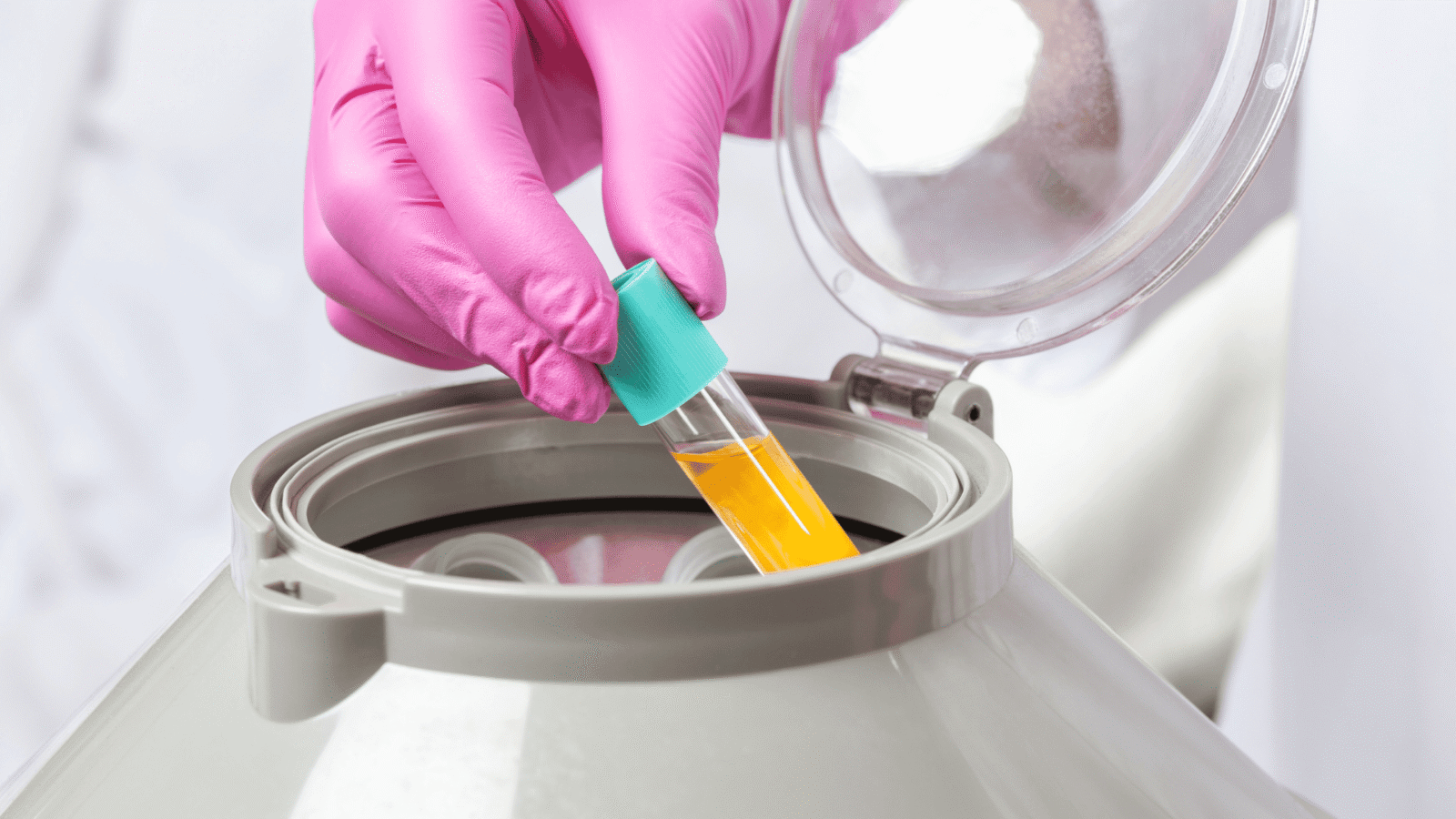
PRP therapy involves drawing a small amount of your blood, processing it to concentrate platelets, and injecting it into the injured area. Platelets contain growth factors that can accelerate tissue repair and reduce inflammation.
Stem Cell Therapy
Stem cells have the unique ability to develop into different types of tissue. In pain management, stem cells are often harvested from bone marrow or fat tissue and injected into damaged areas to promote regeneration and healing.
Prolotherapy
Prolotherapy involves injecting a solution—often containing dextrose—into weakened or injured ligaments and tendons. This stimulates a mild inflammatory response, encouraging the body to repair and strengthen the tissue.
Conditions That May Benefit
- Osteoarthritis (especially knees, hips, and shoulders)
- Tendon injuries (such as tennis elbow or Achilles tendinitis)
- Ligament sprains
- Chronic joint pain
- Degenerative disc disease
- Sports-related injuries
While not every patient is a candidate, many individuals with chronic pain who want to avoid surgery find these treatments appealing.
Benefits of Regenerative Medicine
- Minimally invasive: Most procedures involve injections rather than surgery
- Reduced recovery time: Many patients return to normal activities quickly
- Natural healing approach: Uses the body’s own biological materials
- Potential to delay or avoid surgery: Especially in early to moderate disease
Limitations and Considerations
Although regenerative medicine offers promising benefits, it is important to understand its limitations:
- Results can vary from patient to patient
- Some treatments may require multiple sessions
- Not all conditions respond equally well
- Insurance coverage is often limited
Additionally, regenerative medicine is still an evolving field, and while many studies support its use, ongoing research continues to refine best practices.
What to Expect During Treatment
The process typically begins with a consultation to determine if you are a good candidate. Imaging studies such as ultrasound or MRI may be used to pinpoint the source of pain.
Most procedures are performed in an outpatient setting and take less than an hour. After treatment, patients may experience mild soreness, followed by gradual improvement over weeks to months as healing occurs.
Is Regenerative Medicine Right for You?
Regenerative medicine may be a good option if you:
- Have chronic pain that has not improved with conservative treatments
- Want to avoid or delay surgery
- Are looking for a more natural treatment approach
- Have mild to moderate joint or soft tissue damage
A consultation with a qualified pain management or orthopedic specialist is essential to determine the best treatment plan for your specific condition.
Final Thoughts
Regenerative medicine is changing the way chronic pain is treated by focusing on healing rather than symptom management. While it may not be the right solution for everyone, it offers a promising alternative for patients seeking long-term relief without invasive procedures.
If you are struggling with persistent pain, exploring regenerative medicine could be an important step toward improving your mobility, function, and overall quality of life.