
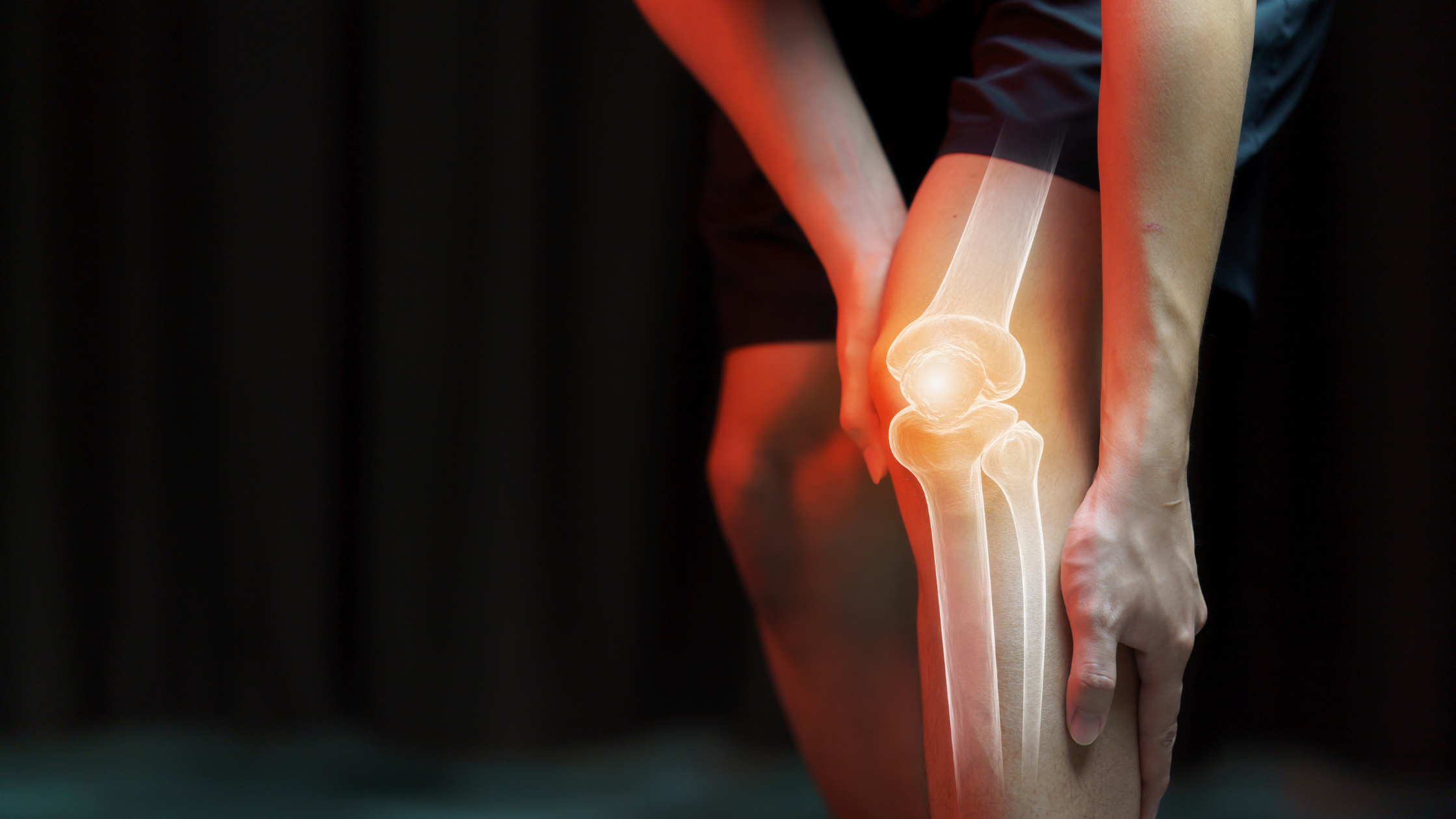
Treatment Options for Chronic Knee Pain Without Surgery
Chronic knee pain can make everyday activities like walking, climbing stairs, exercising, or even sitting comfortably more difficult. Whether the pain is caused by arthritis, past injuries, overuse, or age-related wear and tear, many people assume surgery is their only option. Fortunately, that is often not the case.
Today, there are several non-surgical treatment options that can help reduce pain, improve mobility, and support long-term knee health. In many cases, conservative and minimally invasive treatments can provide significant relief without the downtime and risks associated with surgery.
Common Causes of Chronic Knee Pain
Knee pain can develop gradually or after an injury. Some of the most common causes include:
- Osteoarthritis
- Meniscus injuries
- Tendonitis
- Ligament strain or instability
- Cartilage degeneration
- Patellofemoral pain syndrome
- Previous sports or work-related injuries
Because knee pain can have many causes, an accurate diagnosis is important before beginning treatment.
Physical Therapy and Targeted Exercise
One of the most effective first-line treatments for chronic knee pain is physical therapy. Strengthening the muscles surrounding the knee can help reduce pressure on the joint and improve stability.
A customized therapy program may focus on:
- Improving flexibility
- Strengthening the quadriceps and hamstrings
- Enhancing balance and stability
- Correcting movement patterns
- Reducing stiffness
Low-impact exercises like swimming, cycling, and walking are often recommended because they help maintain mobility without placing excessive stress on the knee.
Weight Management and Lifestyle Changes
Even small amounts of weight loss can significantly reduce pressure on the knees. Excess body weight increases stress on the knee joint during everyday movement, especially when walking or climbing stairs.
Lifestyle modifications that may help include:
- Maintaining a healthy weight
- Choosing low-impact exercise
- Wearing supportive footwear
- Avoiding repetitive high-impact activities
- Using proper posture and body mechanics
These changes can improve pain levels and help slow joint degeneration over time.
Anti-Inflammatory Medications
Over-the-counter or prescription anti-inflammatory medications may help reduce swelling and discomfort associated with chronic knee pain.
Common medications include:
- NSAIDs such as ibuprofen or naproxen
- Topical anti-inflammatory creams
- Prescription-strength pain relievers when appropriate
While medications may help manage symptoms, they are often most effective when combined with other treatments.
Knee Bracing and Support Devices
Knee braces and supportive devices can provide stability and reduce strain on the joint during movement. Depending on the condition being treated, a physician may recommend:
- Compression sleeves
- Hinged knee braces
- Unloader braces for arthritis
- Orthotic shoe inserts
These supports may help improve function and reduce discomfort during daily activities.
Injection-Based Treatments
For patients who continue to experience pain despite conservative care, injection therapies may provide longer-lasting relief.
Corticosteroid Injections
Corticosteroid injections help reduce inflammation within the knee joint. These injections may provide temporary pain relief, especially during arthritis flare-ups.
Hyaluronic Acid Injections
Also known as viscosupplementation, hyaluronic acid injections help lubricate the knee joint and may improve movement and comfort in patients with osteoarthritis.
Platelet-Rich Plasma (PRP) Therapy
PRP therapy uses the patient’s own blood platelets to support healing and reduce inflammation. This regenerative treatment is increasingly used for tendon injuries, mild arthritis, and chronic knee pain.
Regenerative Medicine Treatments
Some patients may benefit from regenerative medicine approaches designed to support tissue healing and joint function. These therapies may be considered for individuals seeking alternatives to surgery.
Radiofrequency Ablation for Knee Pain
For certain patients with chronic arthritis-related knee pain, radiofrequency ablation (RFA) may be an option. This minimally invasive procedure uses heat generated by radio waves to interrupt pain signals from targeted nerves around the knee.
RFA can provide longer-term pain relief for some patients who have not responded to conservative therapies.
When to Consider Seeing a Specialist
If knee pain persists for several weeks or begins interfering with daily life, it may be time to consult a pain management or orthopedic specialist.
Seek medical evaluation if you experience:
- Persistent swelling
- Instability or weakness
- Difficulty walking
- Reduced range of motion
- Pain that worsens over time
- Symptoms that limit work or physical activity
Early treatment may help prevent further joint damage and improve long-term outcomes.
Finding Relief Without Surgery
Surgery is not the only solution for chronic knee pain. Many patients achieve meaningful relief through physical therapy, lifestyle modifications, minimally invasive procedures, and regenerative treatments.
The best treatment plan depends on the underlying cause of the pain, overall health, and personal activity goals. Working with an experienced specialist can help identify the most effective non-surgical options to improve mobility, reduce discomfort, and support a more active lifestyle.