



Neuralace Axon Therapy

What Is It?
Neuralace Axon Therapy is a minimally invasive neuromodulation treatment designed for patients with certain forms of chronic neuropathic and peripheral nerve pain. Rather than relying solely on medications or repeated injections, the therapy targets the nerves involved in transmitting pain signals and uses electrical stimulation to modify how those signals are communicated to the nervous system.
Axon Therapy is particularly relevant when pain appears to originate from an identifiable peripheral nerve or nerve distribution. This may include pain following nerve injury, surgery, trauma, or other conditions in which abnormal nerve signaling continues even after the original tissue injury has healed.
How Can It Help?
Neuropathic pain can be difficult to treat because the nerve itself may continue to generate abnormal pain signals. Patients often describe this type of pain as burning, shooting, electrical, stabbing, tingling, or hypersensitive. Some patients may also experience pain from light touch or sensitivity over a specific nerve distribution.
Neuralace Axon Therapy is intended to influence this abnormal nerve signaling through targeted neuromodulation. It may be considered for appropriately selected patients whose symptoms remain significant despite more conservative treatments such as medication management, rehabilitation, or targeted nerve injections.
An important part of the evaluation is determining whether the patient's symptoms correspond to a peripheral nerve or nerve pathway that may be appropriate for treatment.
What Can Patients Expect?
Treatment begins with a detailed evaluation to identify the suspected source of the patient's pain and determine whether a peripheral nerve is contributing to the symptoms. Previous imaging, surgical history, response to nerve blocks, physical examination findings, and the location and character of the pain may all help guide this assessment.
If Axon Therapy is considered appropriate, the treatment is performed using targeted stimulation of the involved nerve or nerves. The specific treatment plan depends on the location of the pain, the nerve involved, previous treatments, and the patient's individual clinical circumstances.
As with other neuromodulation treatments, the goal is not simply to temporarily numb the painful area. Instead, the therapy is designed to alter the transmission and processing of pain signals. Response varies among patients, and candidacy is determined after a comprehensive evaluation.
Related Treatments
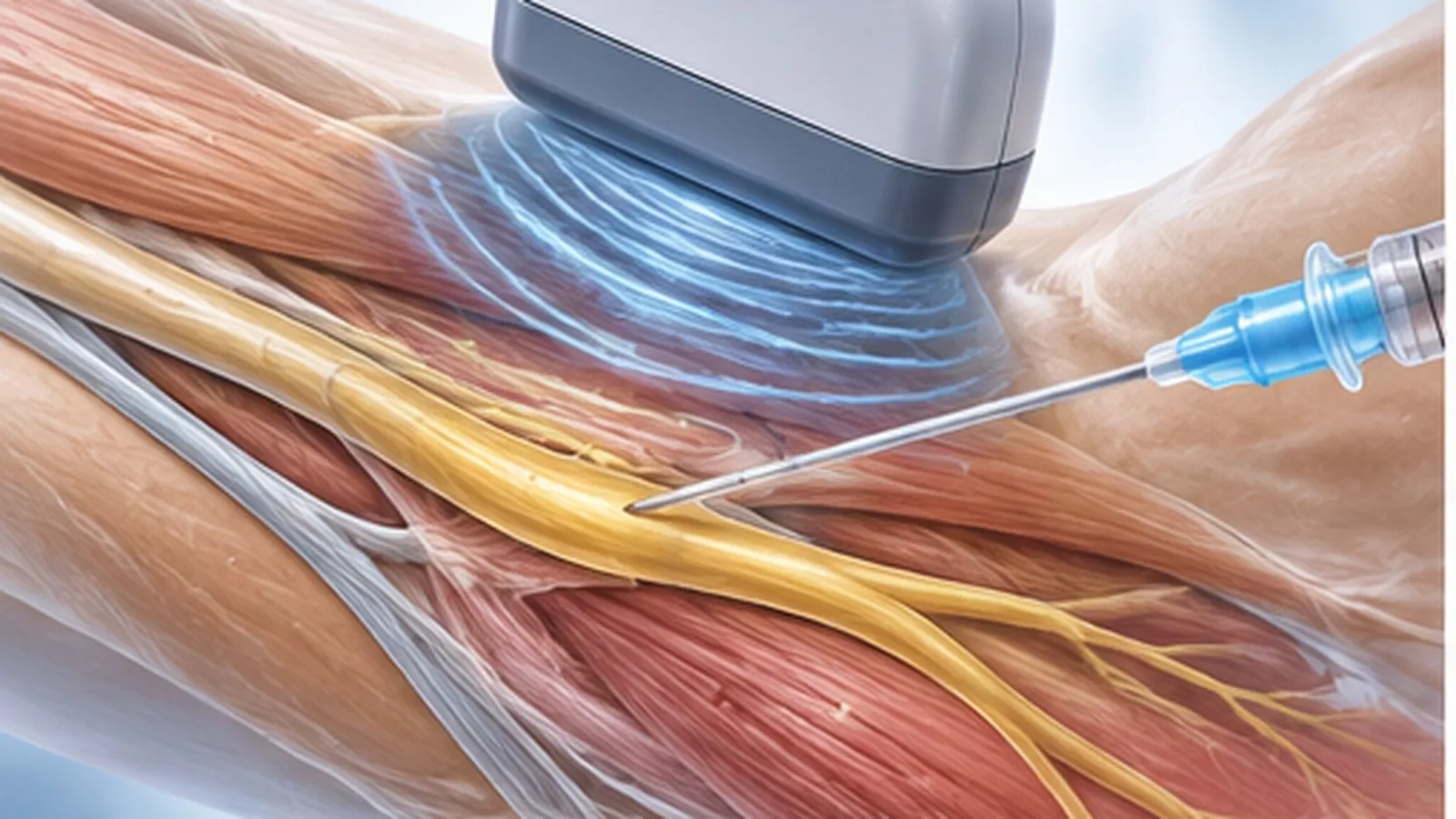 Ultrasound-Guided Peripheral Nerve BlocksPeripheral nerve blocks place medication around a specific nerve outside the spine.
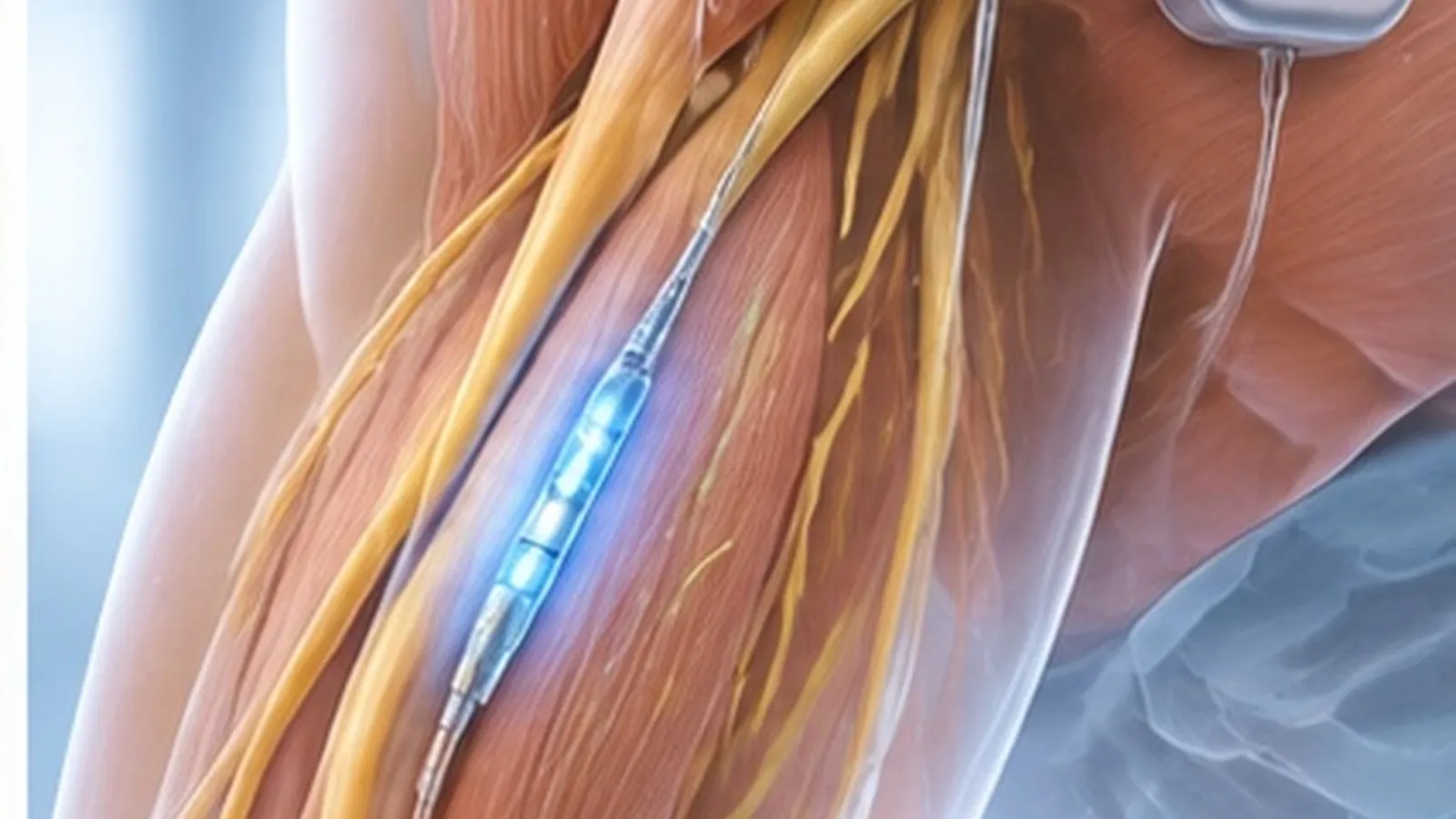 Peripheral Nerve Stimulation (PNS)Peripheral nerve stimulation delivers electrical stimulation directly to a selected peripheral nerve or nerve region.
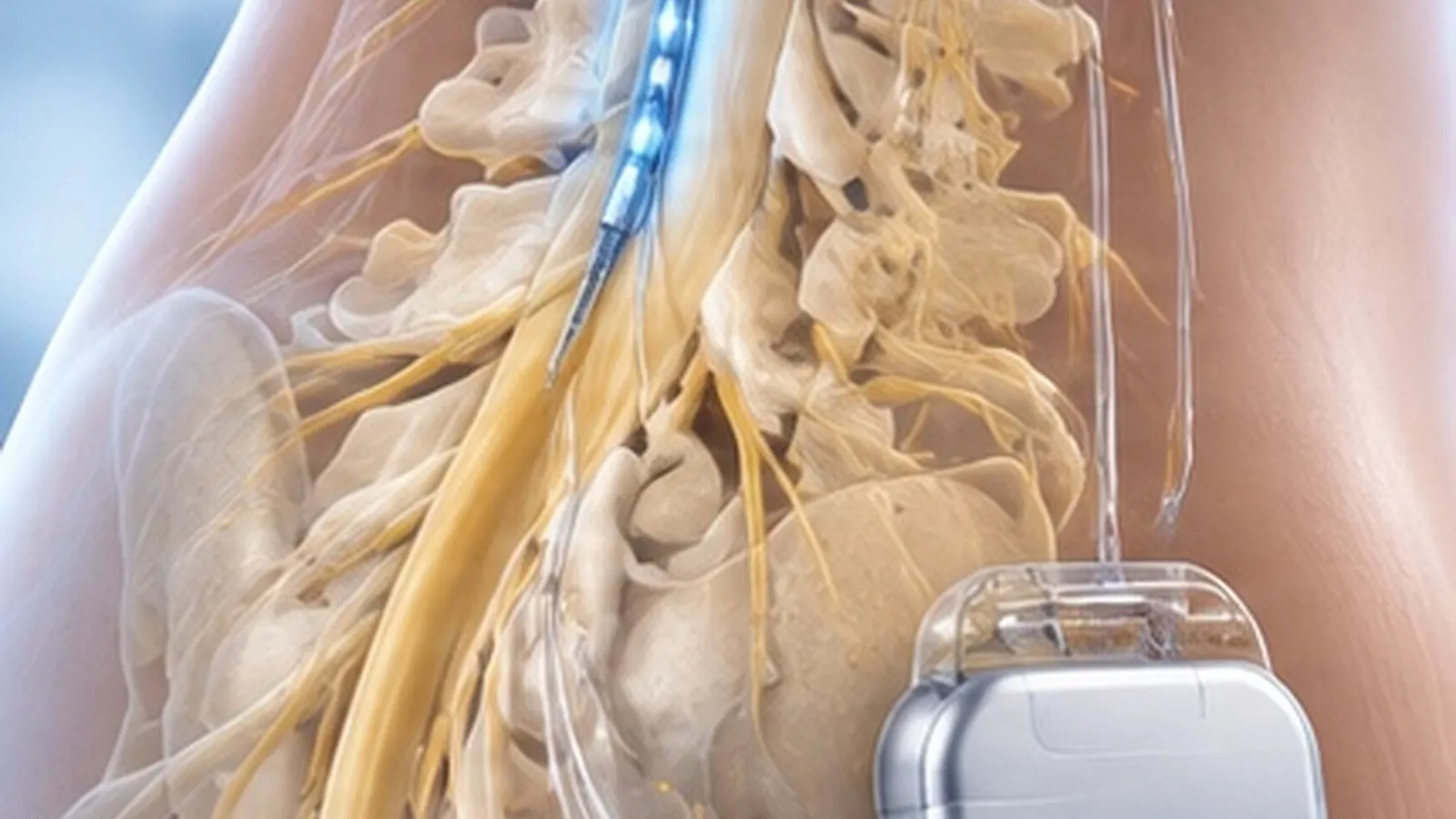 Spinal Cord Stimulation (SCS)Spinal cord stimulation is an implantable neuromodulation therapy used for selected chronic pain conditions, particularly persistent neuropathic pain that has not responded adequately to more conservative treatment.
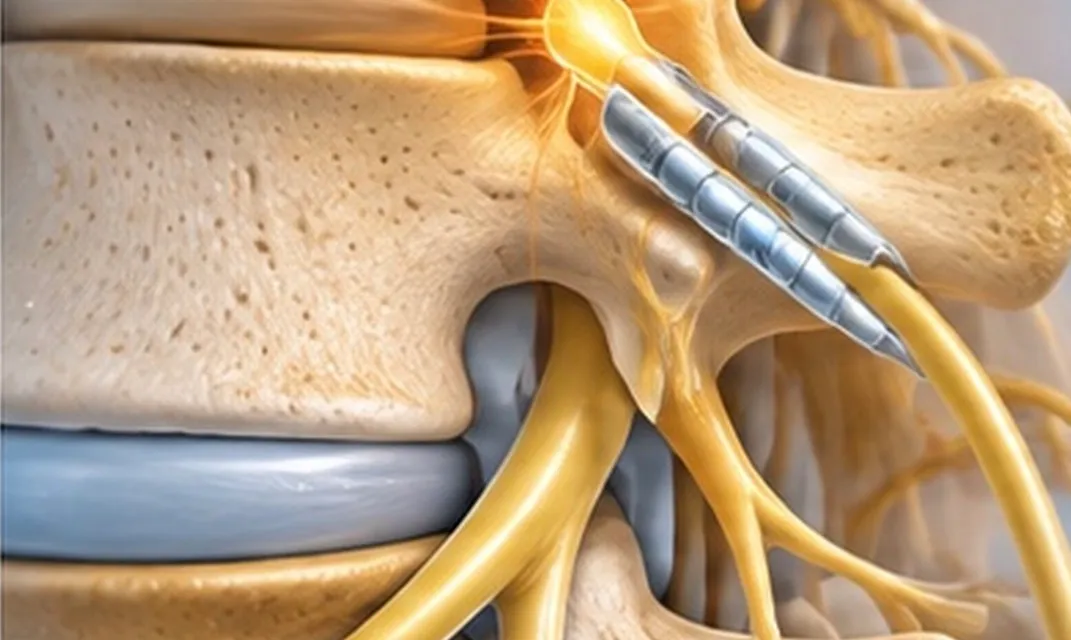 Dorsal Root Ganglion (DRG) StimulationDRG stimulation is a targeted form of neuromodulation that delivers electrical stimulation near the dorsal root ganglion, an important structure involved in sensory signaling.
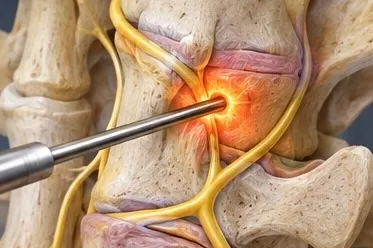 Radiofrequency Ablation of the SpineRadiofrequency ablation (RFA) uses controlled thermal energy to interrupt pain signals carried by selected sensory nerves.
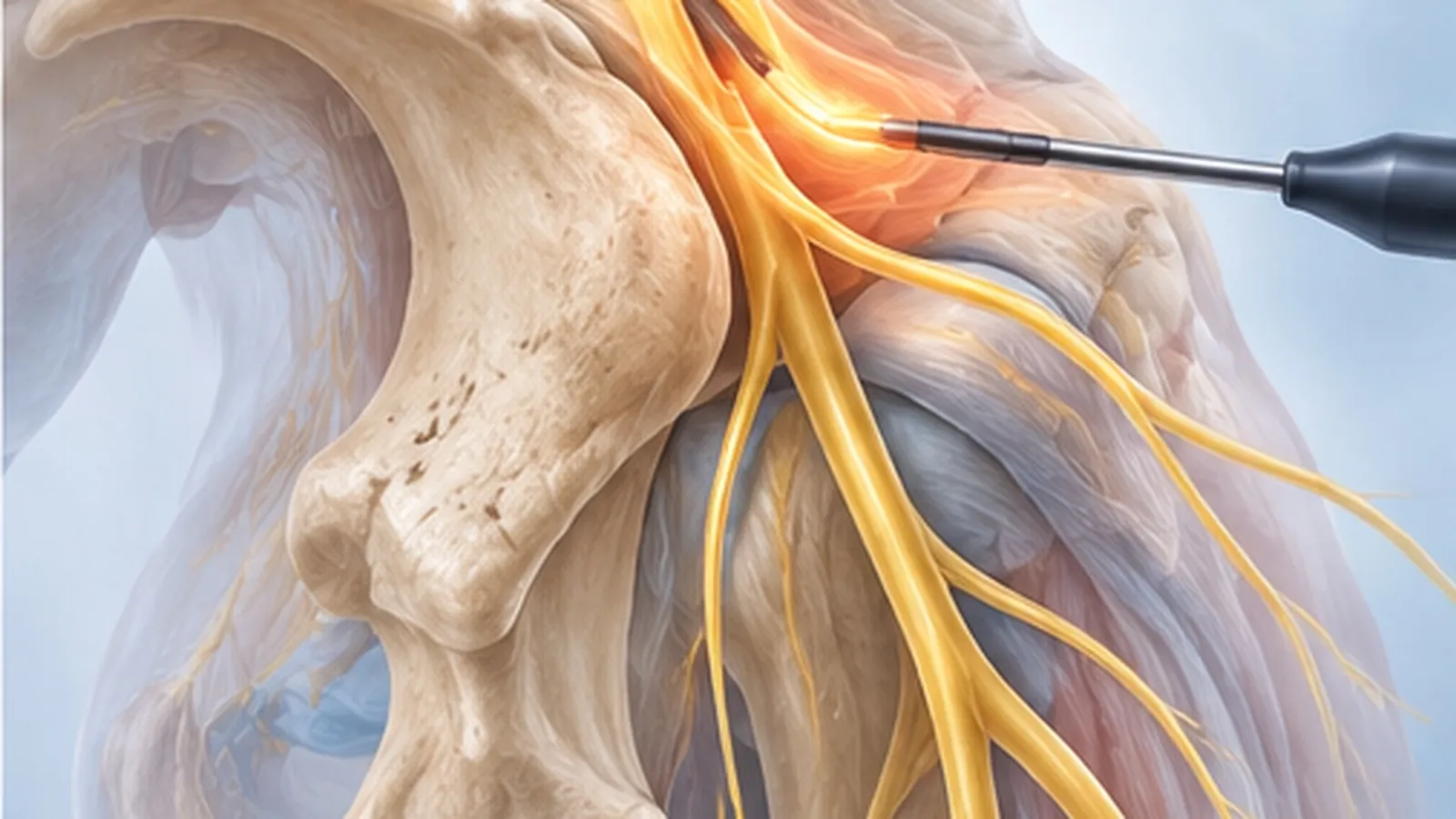 Large-Joint Sensory Nerve Blocks & Radiofrequency AblationSome chronic shoulder, hip, and knee pain is carried by sensory nerves around the joint.
 Physical Therapy, Rehabilitation & Functional RestorationPhysical therapy and rehabilitation help patients improve movement, strength, flexibility, endurance, balance, and confidence with activity.
Questions? Call 855-932-7426
A member of our team will answer all your questions and help you find relief.