



Cancer & Treatment-Related Pain

Understanding the Condition
Cancer-related pain can come from the tumor itself, pressure on nerves or organs, bone involvement, surgery, radiation, chemotherapy, or other treatments. The experience of pain varies widely: it may be aching, deep, burning, shooting, or visceral, and more than one type of pain may occur at the same time. Pain can also persist after successful cancer treatment because of nerve injury, scar tissue, or treatment-related changes.
How It Develops & Common Causes
Examples include painful bone metastases, chemotherapy-induced peripheral neuropathy, post-mastectomy pain, postsurgical pain, radiation-related pain, and visceral pain from abdominal or pelvic cancers. Treatment should be individualized around the patient's diagnosis, overall health, cancer treatment plan, and goals. Pain management can complement oncology and palliative care by providing medication optimization and targeted procedures when appropriate.
Potential Treatments at Apico Pain and Wellness
Final treatment recommendations depend on the diagnosis, examination, imaging or testing when appropriate, medical history, previous treatment, and individual goals.
Explore related treatments
 Neuralace Axon TherapyNeuralace Axon Therapy is a minimally invasive neuromodulation treatment designed for patients with certain forms of chronic neuropathic and peripheral nerve pain.
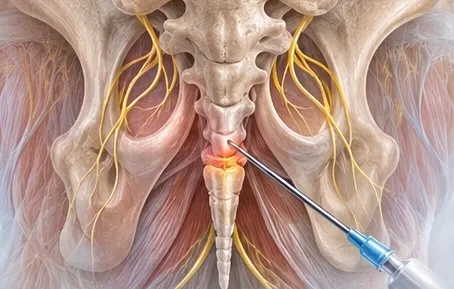 Ganglion Impar BlockThe ganglion impar is a small sympathetic structure located near the front of the sacrum and coccyx.
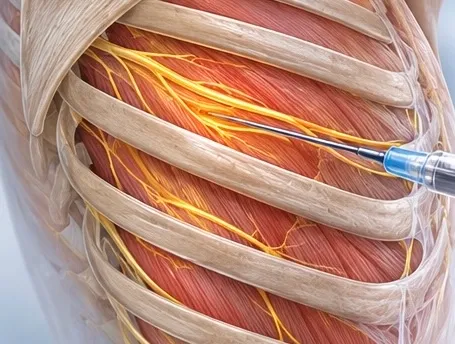 Intercostal Nerve BlocksIntercostal nerves travel beneath each rib and carry sensation from the chest and abdominal wall.
 Inpatient Pain Consultation & Acute Pain ManagementHospitalized patients may have severe pain after surgery, trauma, fractures, acute illness, or worsening of a chronic pain condition.
Questions? Call 855-932-7426
A member of our team will answer all your questions and help you find relief.