



08Where does it hurt?
Abdomen
Step 1
Common symptoms
- Chronic abdominal wall pain
- Pain after abdominal or hernia surgery
- Pain related to chronic pancreatitis or cancer
- Pain not explained by digestive testing
Step 2
Conditions we treat
The condition pages that cover pain in this area.
Step 3
How we evaluate
Your visit starts with a comprehensive evaluation: your history, a focused musculoskeletal and neurologic examination, and a review of any imaging or diagnostic studies you already have. When it helps to pinpoint the source of pain, we use diagnostic nerve blocks or ultrasound-guided assessment before recommending treatment.
Abdominal pain that digestive work-ups have not explained is examined for abdominal wall, nerve entrapment and visceral sources.
Step 4
Treatment options
Treatments linked from those condition pages, from conservative care to advanced procedures.
 Physical Therapy, Rehabilitation & Functional RestorationPhysical therapy and rehabilitation help patients improve movement, strength, flexibility, endurance, balance, and confidence with activity.
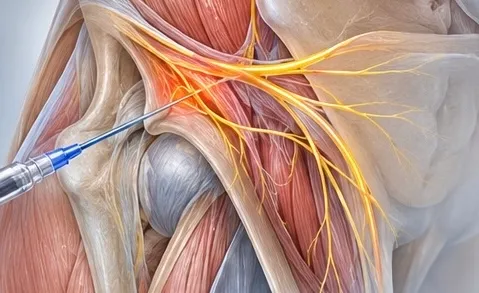 Pelvic & Groin Peripheral Nerve BlocksNerves such as the ilioinguinal, iliohypogastric, genitofemoral, and pudendal nerves can become irritated or injured after surgery, hernia repair, trauma, entrapment, or other pelvic conditions.
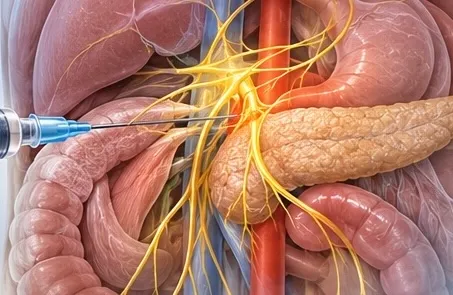 Celiac Plexus & Splanchnic Nerve BlocksThe celiac plexus and splanchnic nerves carry pain signals from many upper abdominal organs.
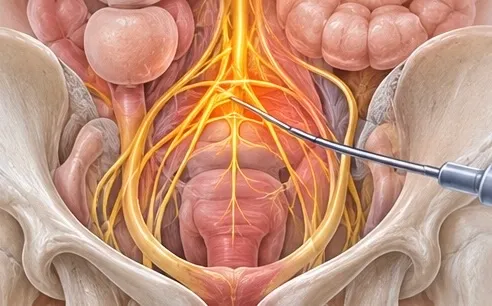 Superior Hypogastric Plexus BlockThe superior hypogastric plexus carries pain signals from pelvic organs and structures.
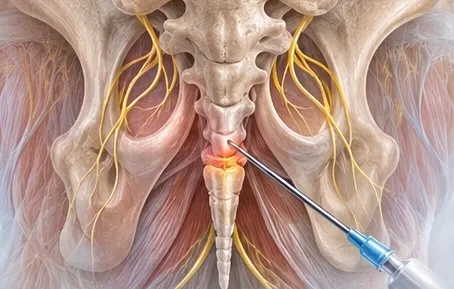 Ganglion Impar BlockThe ganglion impar is a small sympathetic structure located near the front of the sacrum and coccyx.
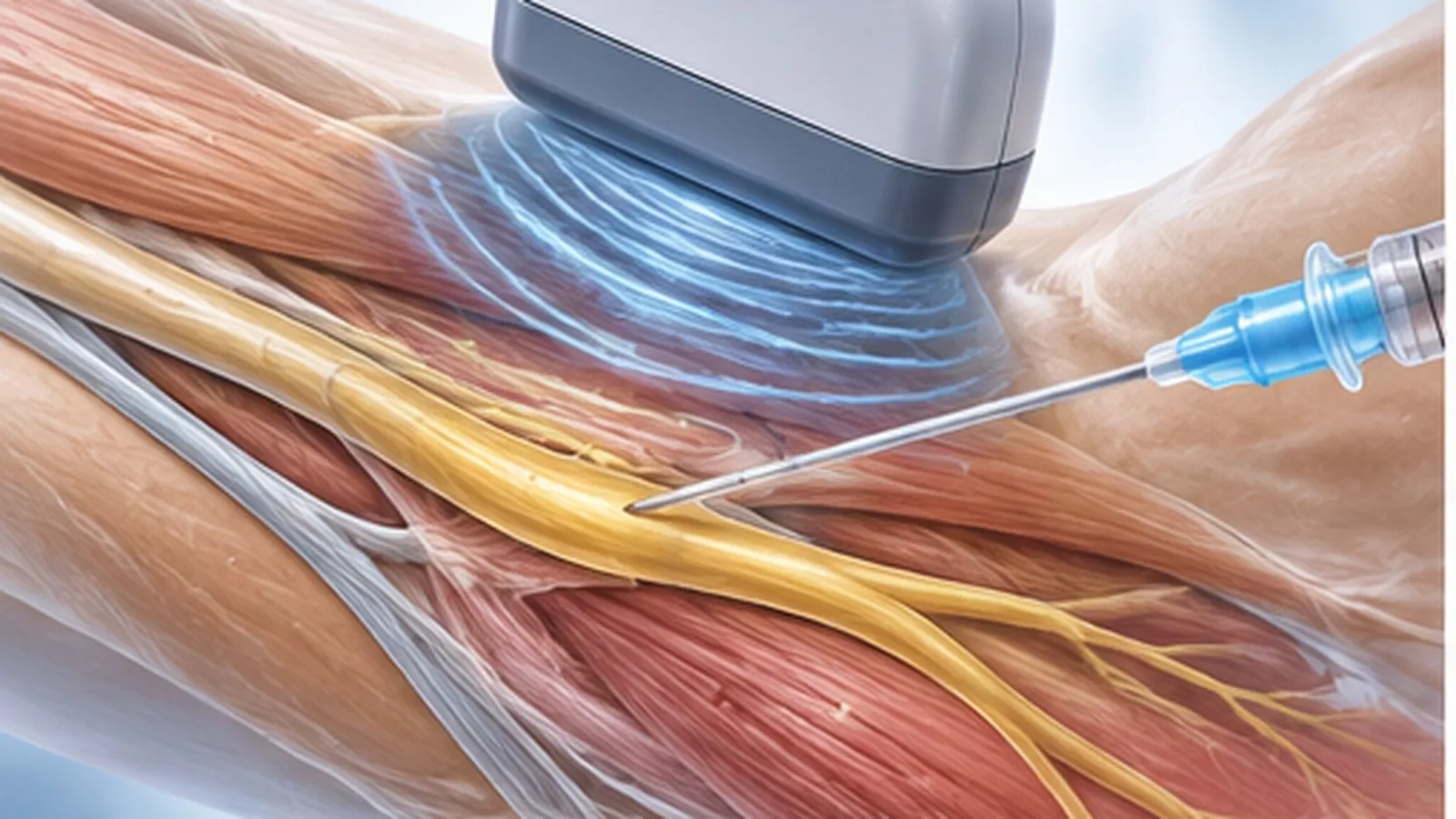 Ultrasound-Guided Peripheral Nerve BlocksPeripheral nerve blocks place medication around a specific nerve outside the spine.
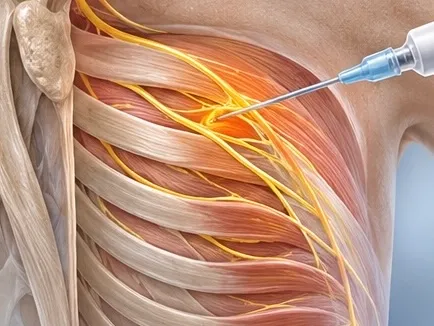 Serratus Anterior & Other Fascial Plane BlocksFascial plane blocks place local anesthetic within tissue planes where sensory nerves travel.
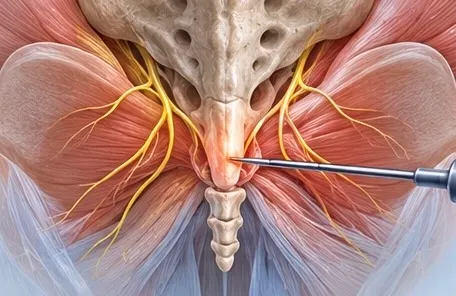 Coccygeal InterventionsCoccyx pain, or coccydynia, can follow a fall, prolonged sitting, childbirth, repetitive pressure, or develop without a clear injury.
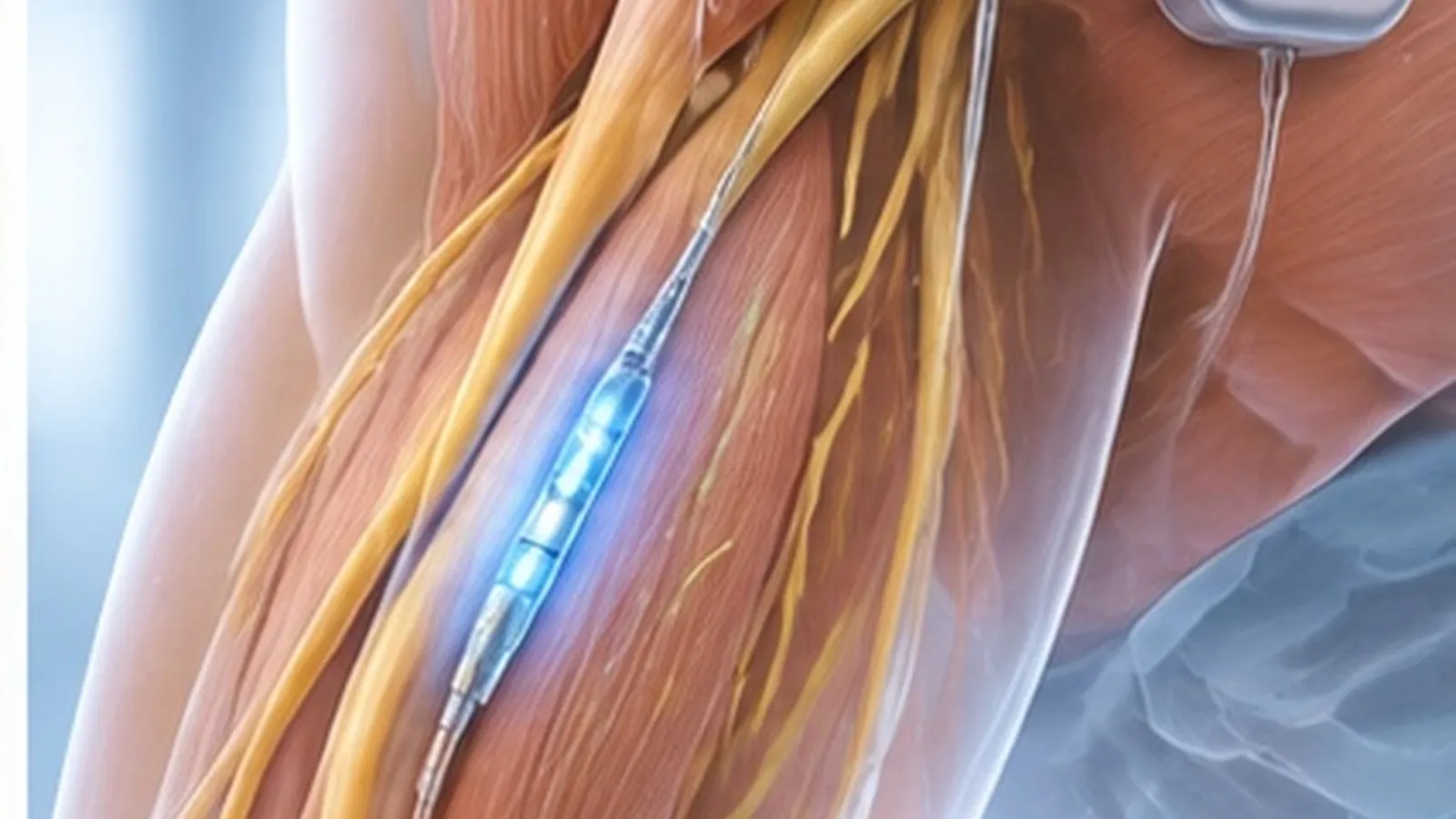 Peripheral Nerve Stimulation (PNS)Peripheral nerve stimulation delivers electrical stimulation directly to a selected peripheral nerve or nerve region.
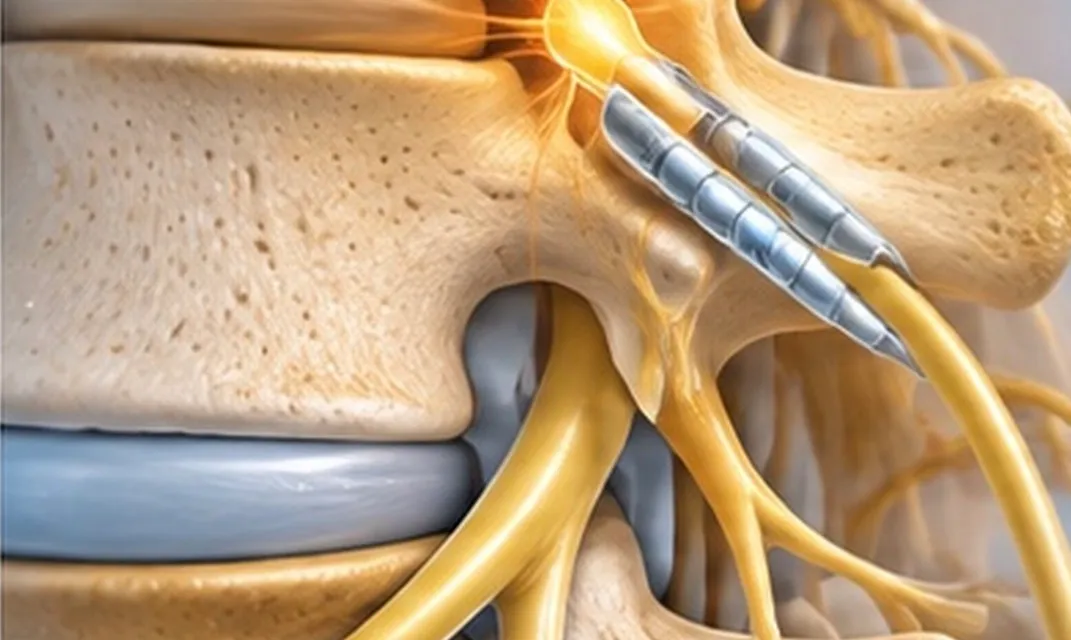 Dorsal Root Ganglion (DRG) StimulationDRG stimulation is a targeted form of neuromodulation that delivers electrical stimulation near the dorsal root ganglion, an important structure involved in sensory signaling.
 Cancer & Treatment-Related Pain ProceduresCancer pain may arise from tumor involvement, bone disease, nerve compression, surgery, radiation, chemotherapy, or treatment-related nerve injury.
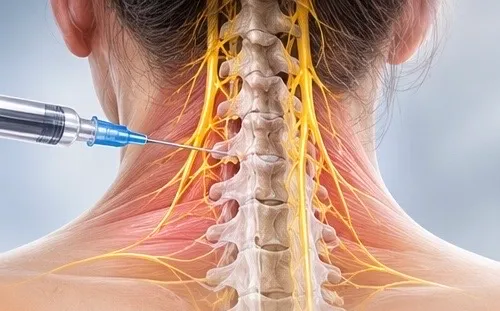 Sympathetic Nerve BlocksThe sympathetic nervous system helps regulate blood flow, sweating, temperature, and other automatic functions.
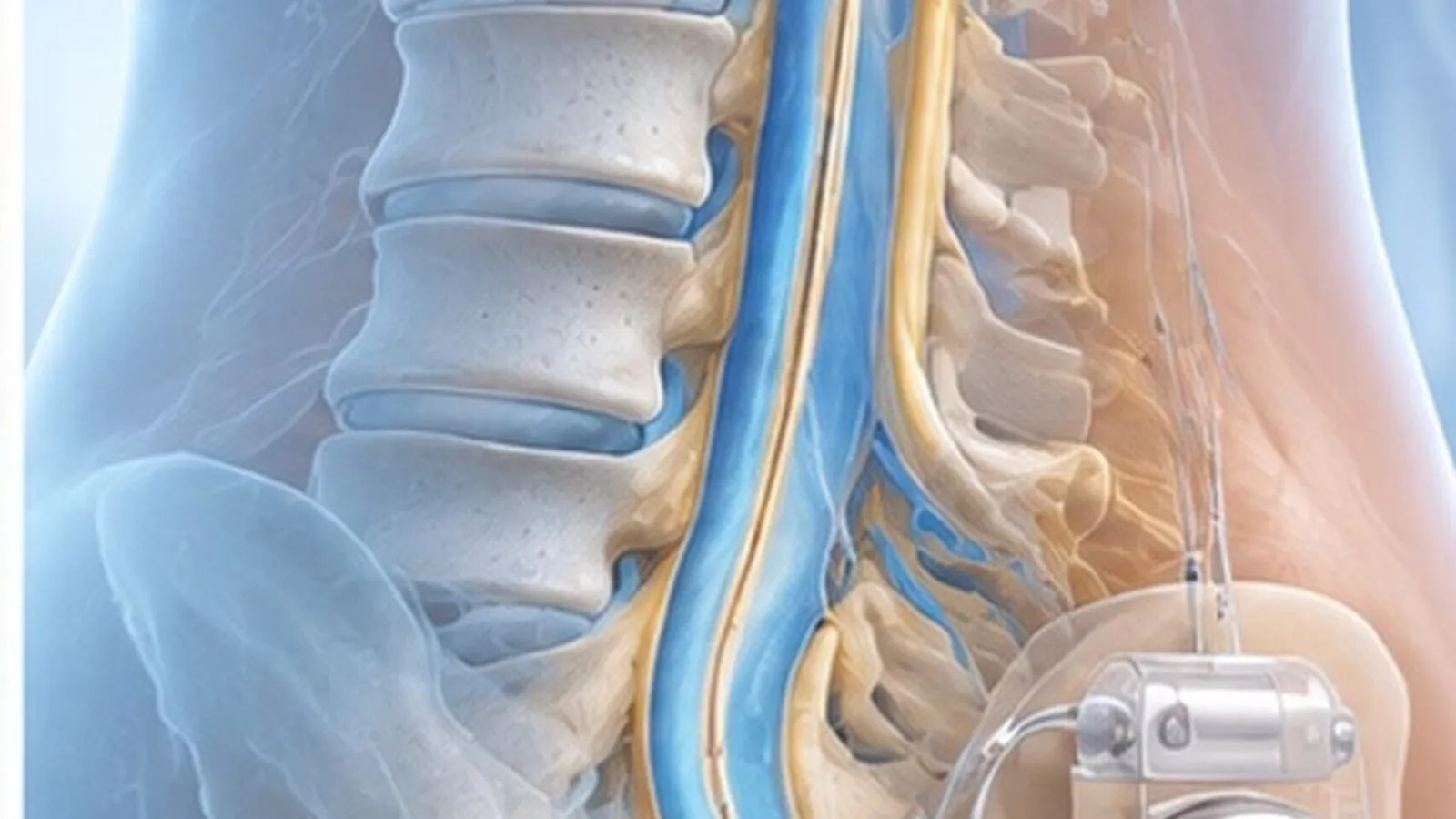 Intrathecal Drug DeliveryIntrathecal drug delivery uses an implanted pump to deliver very small amounts of medication directly into the fluid surrounding the spinal cord.
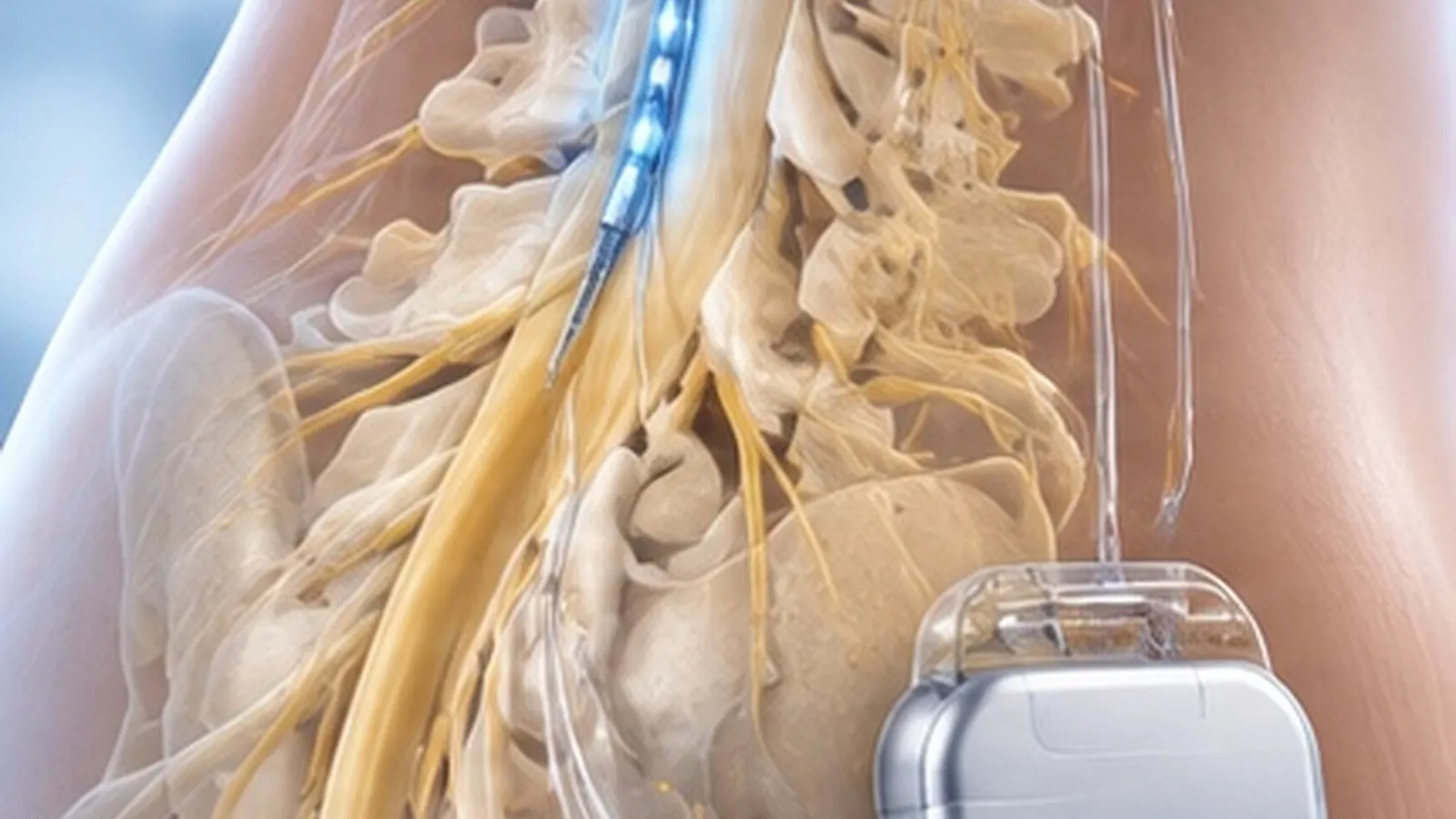 Spinal Cord Stimulation (SCS)Spinal cord stimulation is an implantable neuromodulation therapy used for selected chronic pain conditions, particularly persistent neuropathic pain that has not responded adequately to more conservative treatment.
 Neuralace Axon TherapyNeuralace Axon Therapy is a minimally invasive neuromodulation treatment designed for patients with certain forms of chronic neuropathic and peripheral nerve pain.
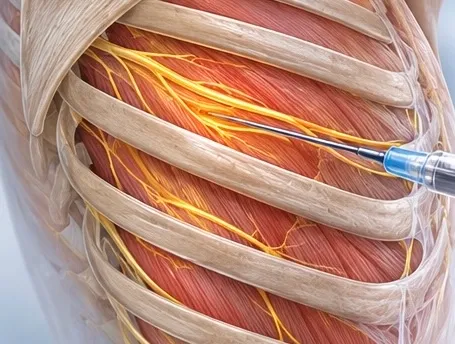 Intercostal Nerve BlocksIntercostal nerves travel beneath each rib and carry sensation from the chest and abdominal wall.
 Inpatient Pain Consultation & Acute Pain ManagementHospitalized patients may have severe pain after surgery, trauma, fractures, acute illness, or worsening of a chronic pain condition.
Request an Evaluation
Questions? Call 855-932-7426
A member of our team will answer all your questions and help you find relief.